Agra Fort: History, Architecture, Tickets, Timings & Travel Tips
Agra Fort: History, Architecture, Tickets, Timings & Travel Tips
The Agra Fort is one of the most incredible historical sites in the city of Agra, Uttar Pradesh which is widely-famous for huge red sandstone walls and beautiful Mughal palaces. As it lies near the famous Taj Mahal, it is an essential site to visit if you’re a fan of Indian history, architecture and culture.
The fort was constructed mainly during the rule of Emperor Akbar but was then developed and altered by several Mughal emperors such as Jahangir and Shah Jahan. The incredible entrance gates, royal houses and marble buildings tell the story of the incredible artistry and architecture during the Mughal era.
If you’re a history lover, photography enthusiast or simply wanting to visit some iconic monuments in India, visiting Agra Fort will add some extra memories to your time in Agra. This guide has everything you need to know about the history, architecture, famous buildings, entry fee, opening times and useful travel tips.
Agra Fort at a Glance
Agra is a major Mughal fort situated on the western banks of the Yamuna River. It was a royal residence, defensive structure and a hub of political and commercial activities of its time. Some things you need to know before planning your visit:
| Detail | Information |
| Location | Agra, Uttar Pradesh, India |
| Built by | Mughal Emperor Akbar |
| Built in | 1565 |
| Main building material | Red sandstone |
| Architectural style | Mughal architecture |
| UNESCO status | 1983 |
| Ideal duration | 2–3 hours |
| Best time to visit | Winter (October to March) |
History of Agra Fort
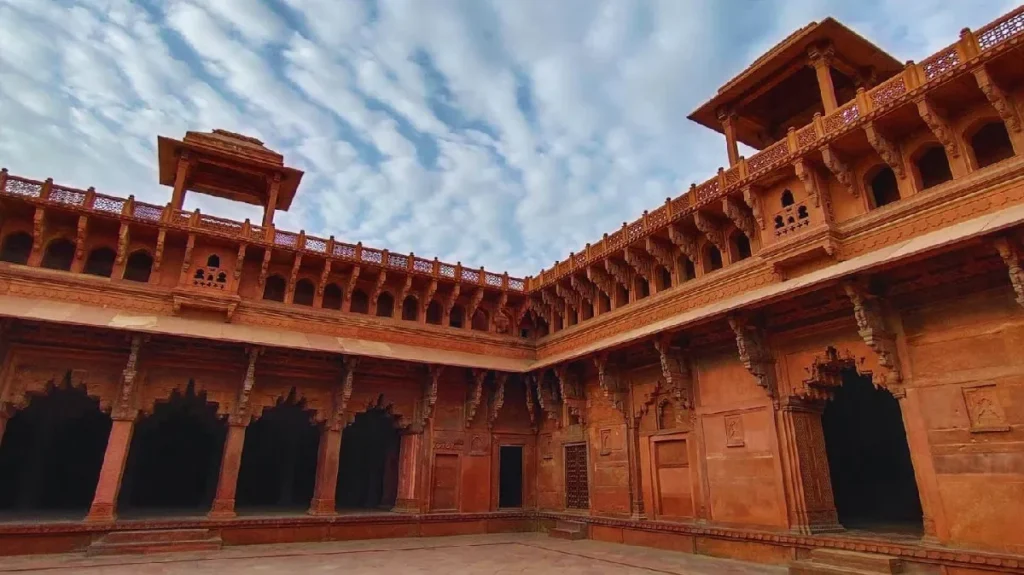
The history of Agra Fort spans many centuries, but the most significant period in its history was during the time of Mughal Emperor Akbar. Prior to Emperor Akbar’s visit to the area, there was an ancient fort called Badalgarh that occupied the same space. Akbar appreciated the value of Agra’s position and chose to turn it into a grand imperial stronghold.
Who Built Agra Fort ?
Agra Fort was initiated by Mughal emperor Akbar in 1565 and his conception for the fort was to create a stout fortress that could be used as a home, a training base and as a hub of activity. Tens of thousands of labourers and artisans built it. Its exterior is clad largely in red sandstone. Subsequent Mughal emperors added several new structures, palaces and decorative elements to it, turning the fort into a glorious royal palace complex.
When Was Agra Fort Built ?
History The construction of the main fort started in 1565 by Akbar and it took many years to complete. The fort turned out to be one of the most prominent Mughal Empire centres during the 16th and 17th centuries. Even though Akbar built its largest part, the future emperors redesigned and enlarged other parts of it to suit their own tastes in architecture and to what their powerful royal status demanded.
Agra Fort During the Mughal Empire
It served as a vital political hub and a royal residence for the Mughal Empire. Many Mughal Emperors inhabited the Agra Fort and administered vast regions of their empire from inside the fortress. Jahangir remained using the fort while Shah Jahan made substantial additions with beautiful marble structures and palaces. The addition of white marble to the red sandstone fort became a feature of Shah Jahan’s rule. Important royal ceremonies, political decisions, and, Mughal history.
Shah Jahan and His Connection with Agra Fort
It was Shah Jahan who built the marble structures within Agra Fort and therefore his influence is felt in Agra Fort. This architecture favoured fine features, decorated lines and royal comfort. Among the most prominent sites linked to him is Musamman Burj, which is a tower, octagon shaped, located near the Yamuna River. Historical records suggest that Shah Jahan was a prisoner in Agra Fort in the later years of his life, held captive by his son, Aurangzeb. The tower’s link with the Taj Mahal, which is visible from some areas of the fort on a clear day, is also a significant memory.
The British Period and Later History
After the weakening of Mughal authority, Agra Fort was occupied by various rulers such as the Marathas. The British occupied the fort in the 19th century. Under British rule, some sections of the complex were repurposed for the military, and several buildings of historical significance were razed or repurposed. Fortunately, many of the Mughal structures remained intact. Today, Agra Fort has been preserved as a monument and has attracted tourist who wish to learn and understand the architectural and cultural history of India.
Agra Fort Architecture and Design
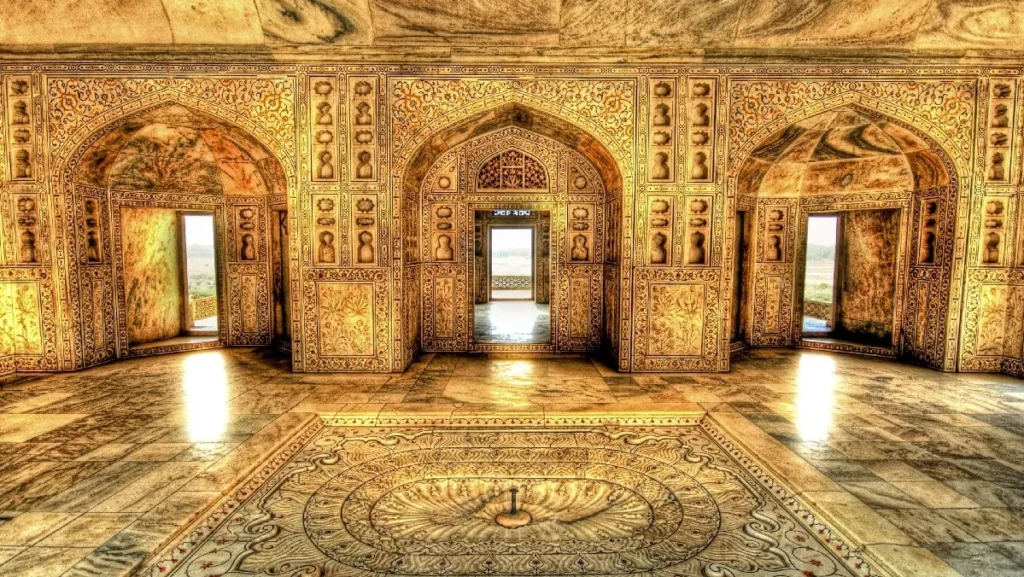
The architecture of Agra Fort shows how the Mughal design evolved through various reigns. It has huge red sandstone walls, grand gateways, large courtyards and palatial buildings showing that it was a place of both military strength and luxurious living.
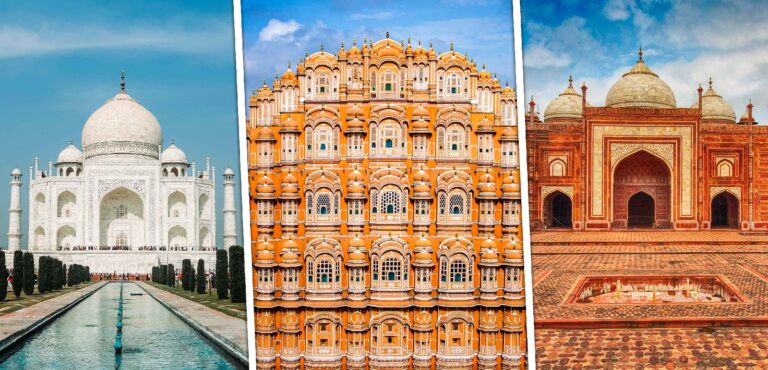
Red Sandstone Walls and Mughal Architecture : One of the most noticeable aspects of the architecture of Agra Fort is the large red sandstone exterior. The strong walls and defences were there to protect the imperial complex. Inside you will see a blend of Persian, Central Asian and Indian elements included in the architecture. This can be seen in the arches, pillars, patterns and layout.
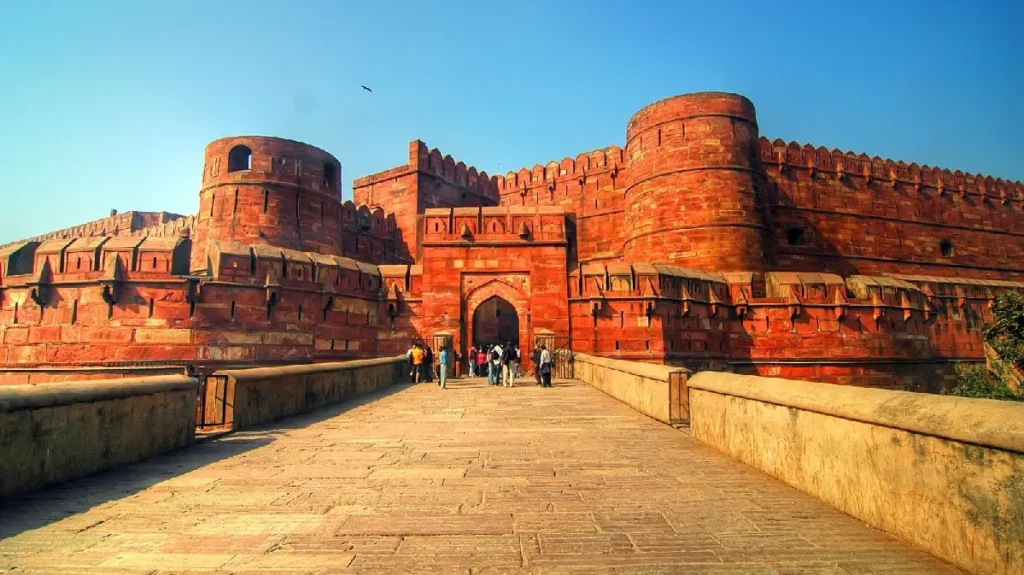
Fort Layout, Gates and Defensive Structures : Agra Fort has a half circular shape, with the walls formed around the curve of the Yamuna River. There are many defence structures in place, such as high walls, towers, gateways and planned entrances. Agra Fort had several key gateways. These included the Delhi Gate and Amar Singh Gate. Today, the Amar Singh Gate is the main entrance that is usually used. The huge gateways with defence corridors show how important the fort was militarily in the Mughal period.
Marble Work and Decorative Details : Whilst it is well known for its red sandstone exterior, several of the buildings inside have beautiful white marble detailing. Shah Jahan added some stunning marble buildings. This can be seen with the ornate halls, carvings, decorative panelling and detailed inlay. This shows the change from the strong fortress buildings of the time of Akbar to the more refined palatial buildings of Shah Jahan.
Famous Places to See Inside Agra Fort
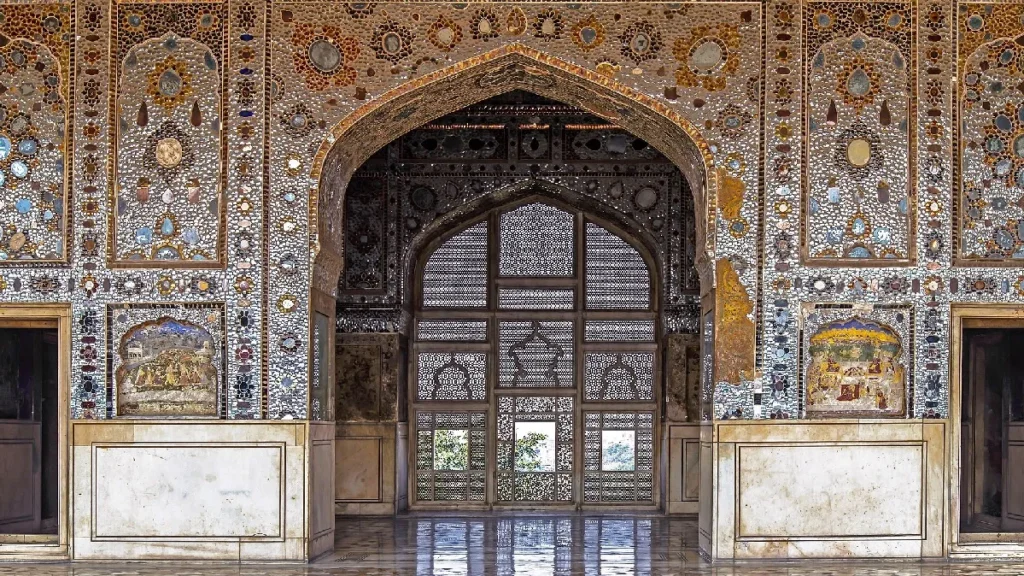
There are many historical palaces, halls and courtyards within Agra Fort each with its own unique history relating to the Mughal emperors.
- Amar Singh Gate : This is the main entrance into Agra Fort and demonstrates the military nature of the fortress with its grand and well-designed structure. It creates a great first impression of Agra Fort through the use of a series of corridors and twists which made it difficult to attack directly.
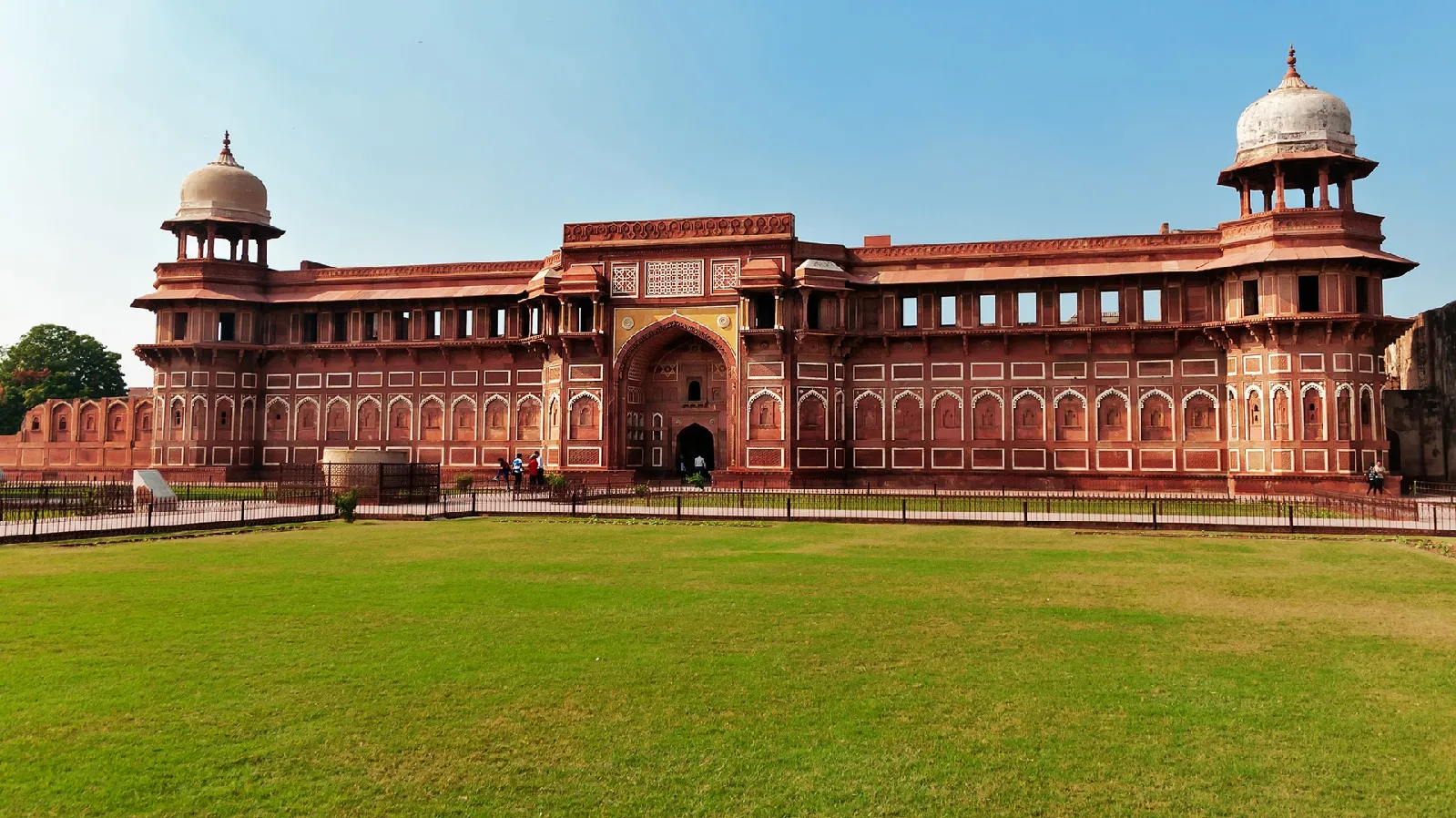
- Jahangir Mahal : One of the most impressive palaces still standing in Agra Fort. It was created during Akbar’s time and is famous for its beautiful red sandstone design with lots of detail. This palace has mixed styles of architecture and is an interesting place to visit.
- Akbar’s Palace : This palace has a style that reflects Akbar’s time. The buildings have a strong sandstone structure with added decoration and large courtyards. They give insight into how the fort was used as a royal residence.
- Khas Mahal : This is a beautiful palace made from white marble. It was created as a royal residence for Shah Jahan. It has a beautiful marble finish with lots of detail and views of the surrounding gardens. It is very different to the heavy red sandstone buildings from Akbar’s time.
- Diwan-i-Am (Hall of Public Audience) : This was where the Mughal emperor would meet members of the public. It has a large open hall with columns. It was an important place for royal events.
- Diwan-i-Khas (Hall of Private Audience) : This was used for private meetings with important guests. Unlike the public hall this was for more exclusive meetings. It contains lots of beautiful detailing showing how important events with the royals were.
- Musamman Burj : One of the most historic parts of Aga Fort. This is a beautiful octagonal tower overlooking the Yamuna River. It is associated with Shah Jahan’s last few years. It has beautiful marble detailing and is interesting to visit due to its association with the emperor. You may get a great view of the Taj Mahal from here.
- Moti Masjid : The Pearl Mosque was commissioned by Shah Jahan which is admired for its beautiful white marble structure and balanced design. It reflects how much the emperor liked the delicate marble buildings and calm places of worship. Access to specific buildings may be limited so please adhere to any restrictions.
- Sheesh Mahal : The Palace of Mirrors is famous for its mirror detailing. It has mirrors to create stunning visual effects. This is an interesting place to visit as it shows the beautiful detailing.
- Nagina Masjid : This is a small mosque within the fort. It is traditionally associated with the royal ladies of the Mughal court. It has a simple design and is made from marble. Some areas may be restricted.
Agra Fort Timings and Weekly Closure
It is always worth checking the current opening times for the attraction. Overall, it will be open between sunrise and sunset however can vary depending on official opening times, maintenance and other circumstances. It is generally open on Fridays whereas the Taj Mahal is not open to members of the public. Useful visiting advice :
- Please arrive in the morning to allow for an enjoyable experience
- Avoid the hottest afternoon hours during summer
- Allow sufficient time to tour the principal palaces and audience halls
- Check official monument information before travelling
Agra Fort Ticket Prices and Online Booking
You will need a ticket to enter the attraction. Prices vary depending on your nationality and government fees. There are different categories for Indian visitors, SAARC & BIMSTEC visitors and other foreign visitors. Certain areas may have extra costs or special offers. Tickets can generally be bought via the official Archaeological Survey of India ticket booking system. Or alternatively at the ticket office on site. Before purchasing tickets :
- Double check the current price for your category.
- See if they offer online bookings for the date you want to visit.
- Save your ticket/booking.
- Have your ID ready.
- Check for any extra charges.
Best Time to Visit Agra Fort
It is best to visit Agra Fort in the cooler months, when it’s easier to enjoy the outdoors.
Winter Season (October to March) : Winter is usually the most comfortable time of year to visit. The weather should be nice and you will have an easier time exploring the courtyards, palaces and outside areas. December and January can be quite foggy in the mornings.
Summer Season (April to June) : The summer is terribly hot here, with the temperature increasing in the afternoon. If you go there during this time, take an early morning walk, have a glass of drinking water and wear clothes that will not make you feel uncomfortable.
Monsoon Season (July to September) : The weather in May is affected by the onset of the monsoon. Showers are not uncommon and humidity levels are high. The environment is a little greener after a rain, although outdoor sightseeing may be affected due to the wet weather.
How to Reach Agra Fort ?
Agra Fort can be reached by road, rail and local transport.
- By Air : The nearest large airport would generally be Indira Gandhi International Airport in Delhi. There is an airport in Agra however you may find there are fewer flights available. Always check flight times.
- By Train : Agra has several train stations including Agra Cantonment and Agra Fort Railway Station. Agra Fort Railway Station is located close to the attraction. The Agra Cantonment is also a large train station which connects to several cities across India. Taxis, auto rickshaws or local transport can be used to get to the fort from either of these.
- By Road : Agra is well connected to other nearby cities such as Delhi and Jaipur via national roads and highways.
Ideal Duration for Agra Fort Tour
Most people will want to spend 2-3 hours exploring the fort. This will depend on how interested you are in history, architecture and photography. If you aren’t interested in spending too long here you can easily see the main palaces, halls and courtyards. However, if you like getting into the detail of history then you might want to spend more time looking around each building and reading the information boards. If you’re visiting the Taj Mahal on the same day, make sure you plan your time so you can take your time without rushing.
Agra Fort Rules and Visitor Guidelines
As Agra Fort is a protected historical site there will be certain rules that visitors should stick to. Some important points to note :
- Don’t damage, write or historical surfaces.
- Don’t touch delicate features.
- Follow any signage and instructions given by staff.
- Don’t enter restricted areas.
- Stick to the walkways and visitor areas.
- Dispose of rubbish correctly.
- Follow any photography and security rules.
- Make sure your items are safe.
There may be extra rules in certain areas, make sure you follow the instructions on site.
Taj Mahal View from Agra Fort
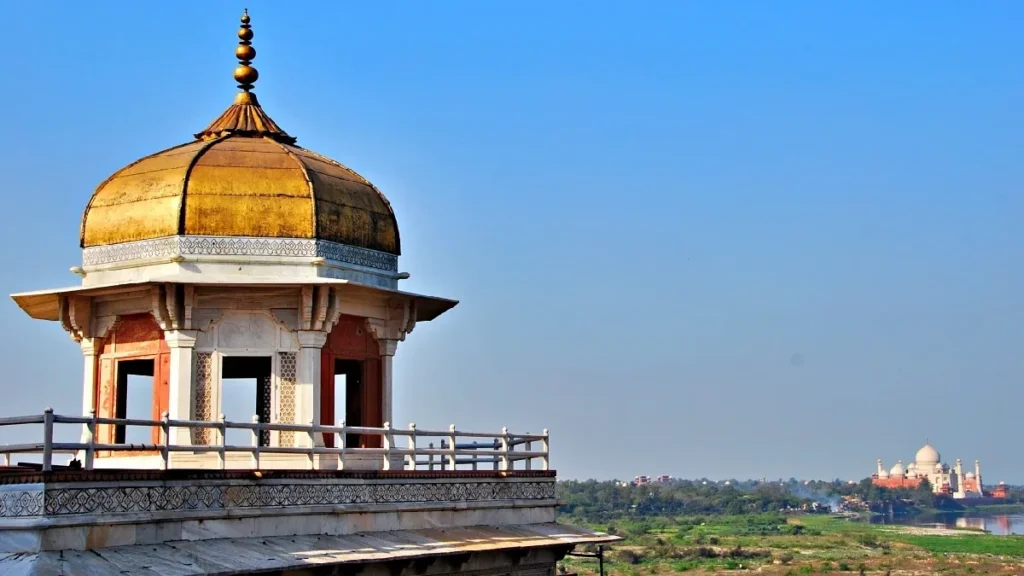
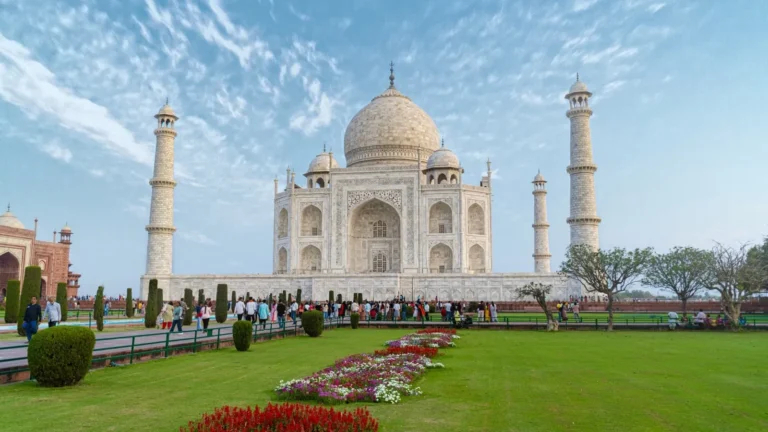
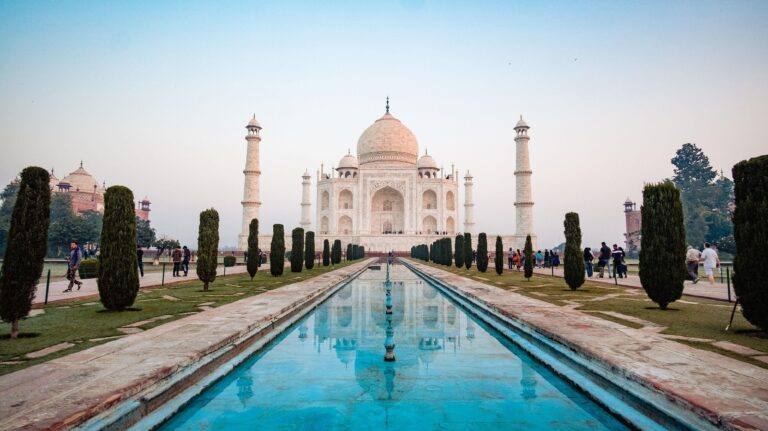
You can enjoy sight of the Taj Mahal from several locations within Agra Fort. The vantage point is specific to the octagonal Musamman Burj tower linked with the Shah Jahan’s twilight years. There is a historical link between the two monuments. Shah Jahan erected the Taj Mahal in memory of his wife Mumtaz Mahal; he was imprisoned at Agra fort for the last years of his life. Viewing the Taj Mahal from the fort provides another angle on this history and enables visitors to put two of the most significant Mughal monuments in Agra into perspective. Visibility is subject to weather conditions and access to designated viewing areas.
Places to Visit Near Agra Fort
Agra’s other historical & cultural places around to visit with the fort. You may also visit these places if you get extra time.
- Taj Mahal : The Taj Mahal is probably the most famous monument in Agra and one of the best-known Mughal buildings of the entire world. Constructed by Shah Jahan in honour of Mumtaz Mahal, it is renowned for its white marble appearance, gardens and intricate workmanship.
- Itmad-ud-Daulah’s Tomb : Frequently referred to as the ‘Baby Taj’, Itmad-ud-Daulah’s Tomb is a gorgeous Mughal structure renowned for its marble use and inlay. An interesting Place for visitors those who wishes to explore more of Agra’s architectural heritage.
- Mehtab Bagh : Mehtab Bagh situated in a complex garden on the banks of the Yamuna River, directly opposite to the Taj Mahal. It provides an alternative view of the well-known monument, and is favoured by photographers.
- Jama Masjid : Agra’s own Jama Masjid dates from the old city railway station precinct area and straight across from the premises of Agra Fort. Due to its history and design, it can be included on an itinerary of the old city.
- Agra’s Old Markets : This is a great way to get a taste of what it’s like to shop in this local area. Take a look around local areas which sell handicrafts, marble, leather items and local sweet treats. Be sure to compare prices and see if they are good quality.
Where to Stay Near Agra Fort
Agra has a variety of accommodation to suit all budgets. There are budget guesthouses, comfortable hotels and luxury hotels. Where you decide to stay depends on what you plan to see and the type of experience you are looking for.
- Near Agra Fort : Temporary stays within fort and old city may be favored for visiting historical sites and heartland bazaars.
- Near the Taj Mahal : Accommodation Taj Ganj and the surrounding neighbourhoods have a few cheap hotels as well as more expensive places to stay.
- Fatehabad Road : There are a number of hotels, restaurants and transport facilities in this region which makes it a good destination for travellers.
Before booking must check the location, recent reviews, access to transport and available facilities.
Practical Tips to Know Before Visiting Agra Fort
Here are some simple preparations you can make before you go:
- Stary your journey in the early morning
- Plan flexible itinerary
- Wear flexible clothes and footwears
- Carry refillable water bottle
- Book your accommodation & transportations in advance
- Get your tickets online to avoid queue
- Respect the monument
Final Thoughts on Agra Fort
The Agra Fort really has so much to offer! This is a historical monument that takes you back to the stories of the Mughal emperors, royal lives, architecture and political history. The building is amazing from its grand red sandstone built by Akbar to Shah Jahan making elegant marble additions. With the palaces, audience halls, gateways and connections to the Taj Mahal it is one of the most interesting historical attractions in India. If you intend to visit Agra, leave yourself sufficient time to visit Agra Fort as this should not be a five-minute quick trip to walk through on your way to other attractions. Learn about Agra’s past by the history and architecture of the Fort.
FAQs – Agra Fort
Q. Why is Agra Fort famous ?
Ans. Agra Fort is one of the most popular monuments of Agra complied with rich history, heritage, and red sandstone architecture.
Q. Where is Agra Fort located ?
Ans. Agra Fort is situated in Agra on the western bank of River Yamuna.
Q. Who built Agra Fort ?
Ans. Agra Fort was built by the mighty Mughal emperor Akbar.
Q. When was Agra Fort built ?
Ans. The principal construction took place from 1565 during the rule of Akbar, as the complex was built and extended up until the remaining years.
Q. What is the best time to visit Agra Fort ?
Ans. The best time to visit Agra Fort is between October and March, as the weather will be more pleasant. The best time to visit would be in the morning.
Q. What are the Agra Fort visiting hours ?
Ans. The visit time of Agra Fort is from sunrise to sunset.
Q. What is the Agra Fort ticket price ?
Ans. Depending on what country you are from there will be different prices paid to enter. To find out the most up to date prices please visit the official ticketing website for the Archaeological Survey of India.
Q. How much time is needed to explore Agra Fort ?
Ans. Most people will take around 2-3 hours to tour the main palaces, halls, courtyards and other important buildings.
Q. Can you see the Taj Mahal from Agra Fort ?
Ans. Yes, you can see the Taj Mahal from some parts of Agra Fort, although you can see it from the Musamman Burj.
Q. Is Agra Fort closed on Fridays ?
Ans. Agra Fort is open to the general public on most Fridays. Unlike the Taj Mahal (see above), the monument is closed on Fridays. Make sure to check the latest visiting hours before your visit.
Enquiry Form
Recent Blog:
Taj Mahal Tour Guide: History, Architecture, Tickets, Timings & Travel Tips
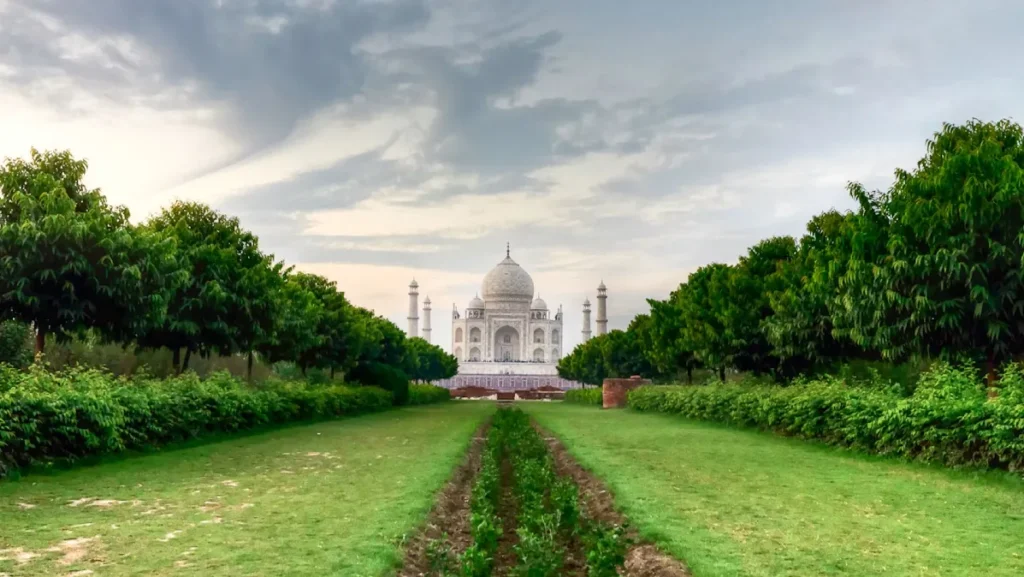
The Agra Fort is an amazing place to visit and can be combined with the famous Taj Mahal. A wonderful Mughal monument that is also located in the city. The Taj Mahal and Agra Fort are linked due to Emperor Shah Jahan’s history. If you are wanting to visit the Taj Mahal, then look no further than our Taj Mahal Tour Guide! You’ll find lots of useful information including historical background, architecture, price of tickets, opening times, sunrise and night views plus useful travel tips.